

Oceans cover two-thirds of the earth’s surface. Emphasizing its importance, World Ocean Day is celebrated every year on June 8. Most of the pollution starts either through the land, air, or water. Preventing these forms of pollution, in turn, helps the ocean. Ocean pollution is the introduction of toxic materials into ocean waters. Pollution due to man-made and natural activities is affecting marine ecosystems throughout the world. Hence, there is a need to prevent ocean pollution. There are several causes of ocean pollution. The leading causes include:
- Acidification
- Eutrophication
- Sewage
- Plastic wastes
- Oil spills
1.Acidification
The oceans are normally a natural ‘carbon sink ‘, absorbing carbon dioxide from the atmosphere. The levels of atmospheric gases are increasing due to various types of pollutions. Therefore, the oceans are becoming more acidic. These may in turn affect the life of coral reefs and shellfish organisms.
2. Eutrophication
Eutrophication most commonly arises from the oversupply of nutrients. Nitrogen and phosphorus are to be watched out in particular. In fact, their presence leads to the overgrowth of plants and algae in aquatic ecosystems. This can be due to various types of run-offs into the ocean.
2.1.Chemical runoffs
Chemicals from industries are major pollutants. Fertilizer industries mainly contribute to this. Many industries dump their waste materials and chemicals into the ocean waters. These pollute the ocean by altering the pH level of the waters. Most aquatic plants and animals cannot survive in adverse pH levels.
2.2.Agricultural Runoff
When soil is eroded, it carries with it many pollutants. Agricultural runoffs contain insecticides and pesticides. This initially flows into streams and rivers, which ultimately carry these toxic chemicals into the ocean.
2.3.Land Runoff
Land runoffs come from both urban and agricultural areas, often referred to as non-point source pollution. These can originate from cars and trucks, septic tanks, farms, and timber harvesting operations. Inland mining can cause an influx of mineral and soil deposits. These travel through rivers and estuaries, causing a real threat to marine ecosystems. Such runoffs can smother marine plants, coral reefs, and other aquatic organisms.
3.Sewage
Sewage is wastewater and its components. Sewage is comprised of human and animal wastes. It can be waste from toilet flushing, dirty water from bathing, and washing. It also includes pet and pesticide waste from yards.
Most of the wastes find their way into the ocean waters through the sewer systems. Nonetheless, they contribute greatly to ocean pollution and are harmful. Untreated sewage contains microbes or pathogens. As a result, they infect marine animals causing serious threats. These may be consumed as seafood by humans.
3.1.Nuclear Waste
Nuclear waste is mostly produced from scientific procedures that use radioactive materials. Likewise, industrial, and medical fields too contribute to this.The common industries that produce nuclear waste include power stations, the military, and reprocessing plants. Radiation enters the food chain through aquatic plants. Once the marine animals consume these plants, they become contaminated.
3.2.Thermal Pollution
Powerplants and manufacturers release hot water into streams and oceans causing thermal pollution. This lowers water quality and changes the water temperature. The sudden rise in temperature causes a reduction in oxygen supply. This in turn affects the ecosystem composition. Sudden change in temperature kills aquatic life abruptly and is called thermal shock.
4. Plastic debris
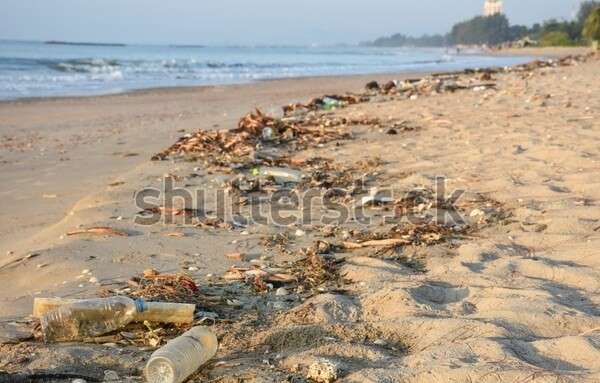
Plastics accumulate in ocean waters due to human activities. Direct ingestion of plastics causes harmful effects on marine organisms. Plastic contributes much to ocean pollution.
Know how plastics pollute oceans and dangerously affect sea organisms:
https://www.britannica.com/science/plastic-pollution/Plastic-pollution-in-oceans-and-on-land
https://www.bbc.com/news/science-environment-51804884
5. Oil spills
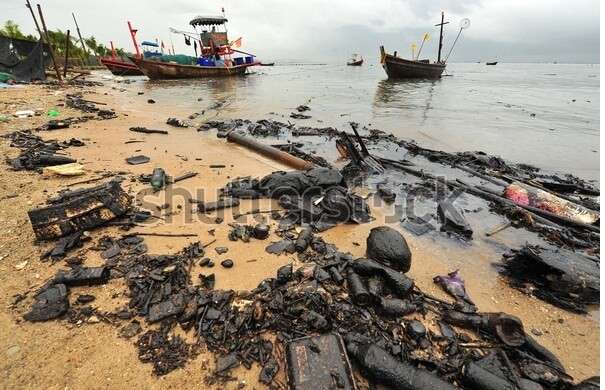
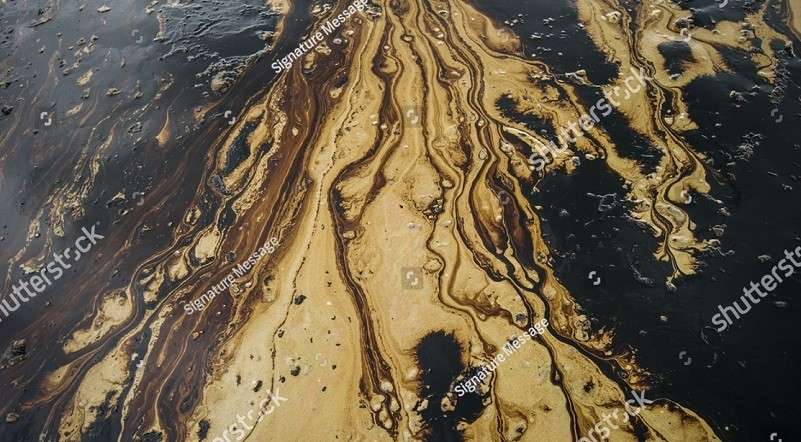
Ships and sinking tankers cause oil spills or oil slick. Crude oil is extremely dangerous to marine life. Furthermore, petroleum products used for fuel are mined from deep below the ocean surfaces. Oil forms a layer on the water. This prevents oxygen circulation. Lack of oxygen in the water, therefore, results in the destruction of marine life.
Not to mention, acid rain also contributes to ocean pollution. Volcanic eruptions, fossil fuels, and rotting vegetation are released into the atmosphere in particular. These react with water and other substances in the air to form harmful acids. The wind blows these chemicals across the atmosphere. And, when it rains, they flow into the marine waters. It makes the water acidic. Consequently, it destroys marine life as most aquatic organisms cannot survive in acidic conditions. Likewise, climatic changes also occur due to ocean pollution.
Marine life is additionally affected by noise or sound pollution. Passing ships, oil exploration seismic surveys, and naval low-frequency active sonar especially contribute to this.
Learn how noise pollution affects marine life significantly:
Harmful Effects of Ocean Pollution
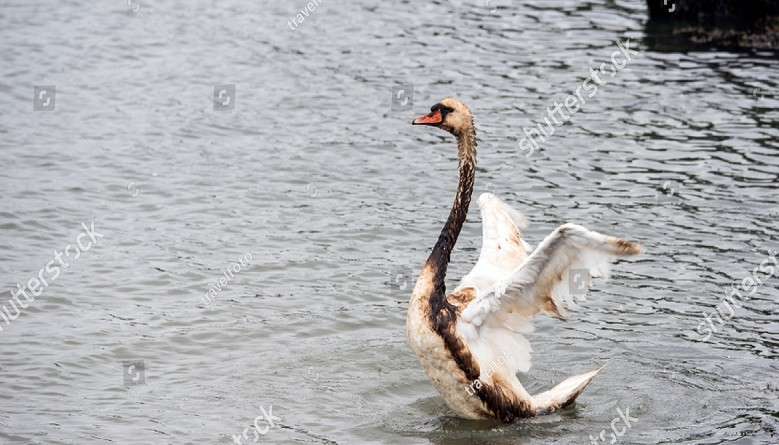
A high concentration of chemical wastes causes algal blooms. Consequently, algae overrun the ecosystem. , Oxygen is depleted when these organisms start to sink and decompose. That area hence becomes a dead zone. Marine life cannot survive in that environment. Oil from oil spills soaks into feathers of birds making it difficult to fly. It interferes with balance. Birds thus fail to maintain body temperature. Such birds seldom survive despite efforts. In addition, the detergents employed to clean up this is also harmful. The functioning of fish gill becomes obstructed. Ocean pollution specifically results in the killing of fish, crabs, and other sea organisms.
Besides, damage to marine life seriously affects the lives of humans. Particularly, fishermen who depend on marine products for livelihood. Consumption of toxic substances stored in the fatty tissues of fish can cause numerous side effects in humans. Specifically, side effects include suffocation, anemia, leucopenia, and can damage the liver and kidneys.
What can be done?
- Reduce and recycle plastics.
- Maintain proper drainage for sewage.
- Strengthen laws.
- Raise awareness.
Finally, know more about the measures that can be taken to reduce marine pollution: