

Introduction
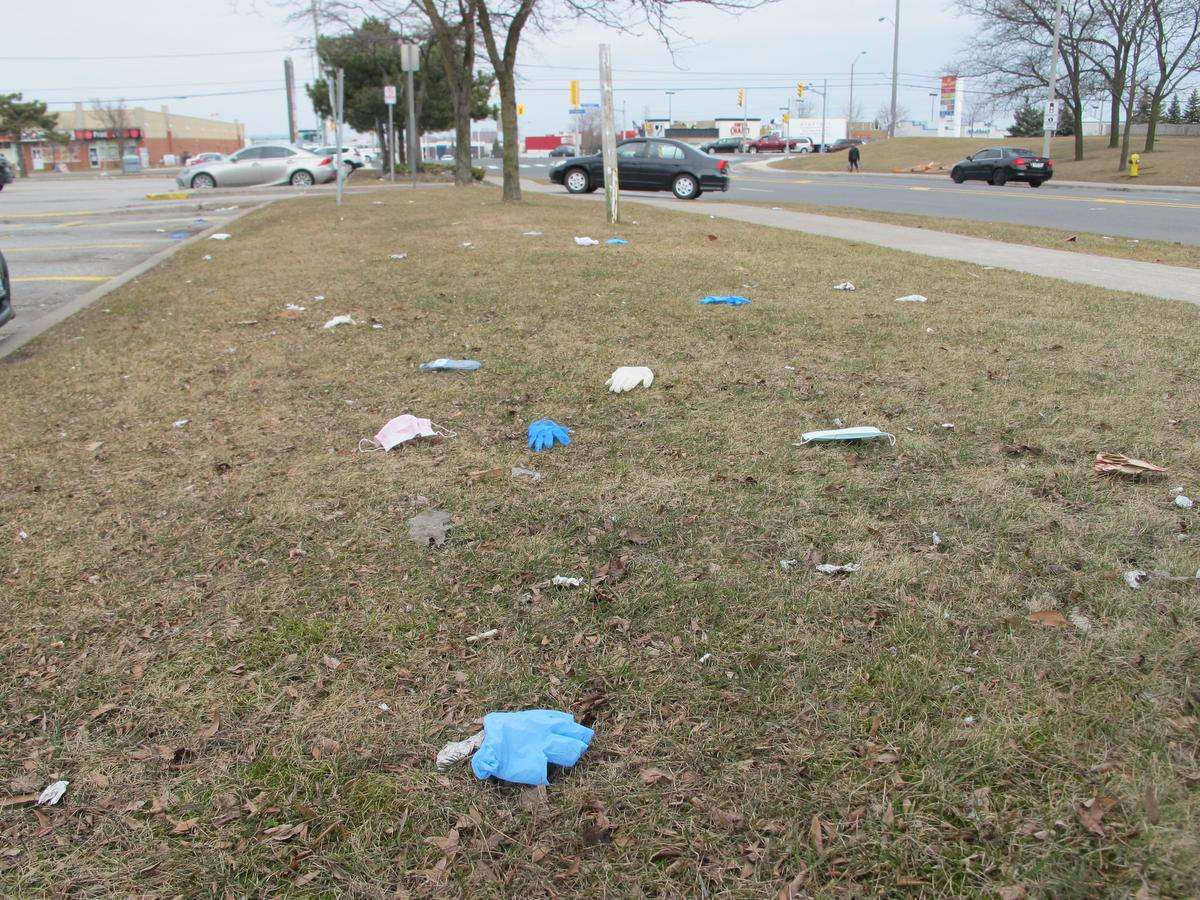
Face masks and gloves have emerged as the most important weapon in our arsenal against novel corona virus in addition to hand washing and social distancing. People are increasingly wearing gloves and masks in public to protect themselves from the spread of COVID-19.
Irresponsible Littering
The sad part is that many people are littering supermarket parking lots and streets by improperly disposing these masks and gloves.
WHO
Today, the WHO estimates that the planet is using about 89 million masks and 16 million gloves each month – the amount of plastic waste it’s generating is much higher than that estimated in the McKinsey report two years ago.
Ecological disaster
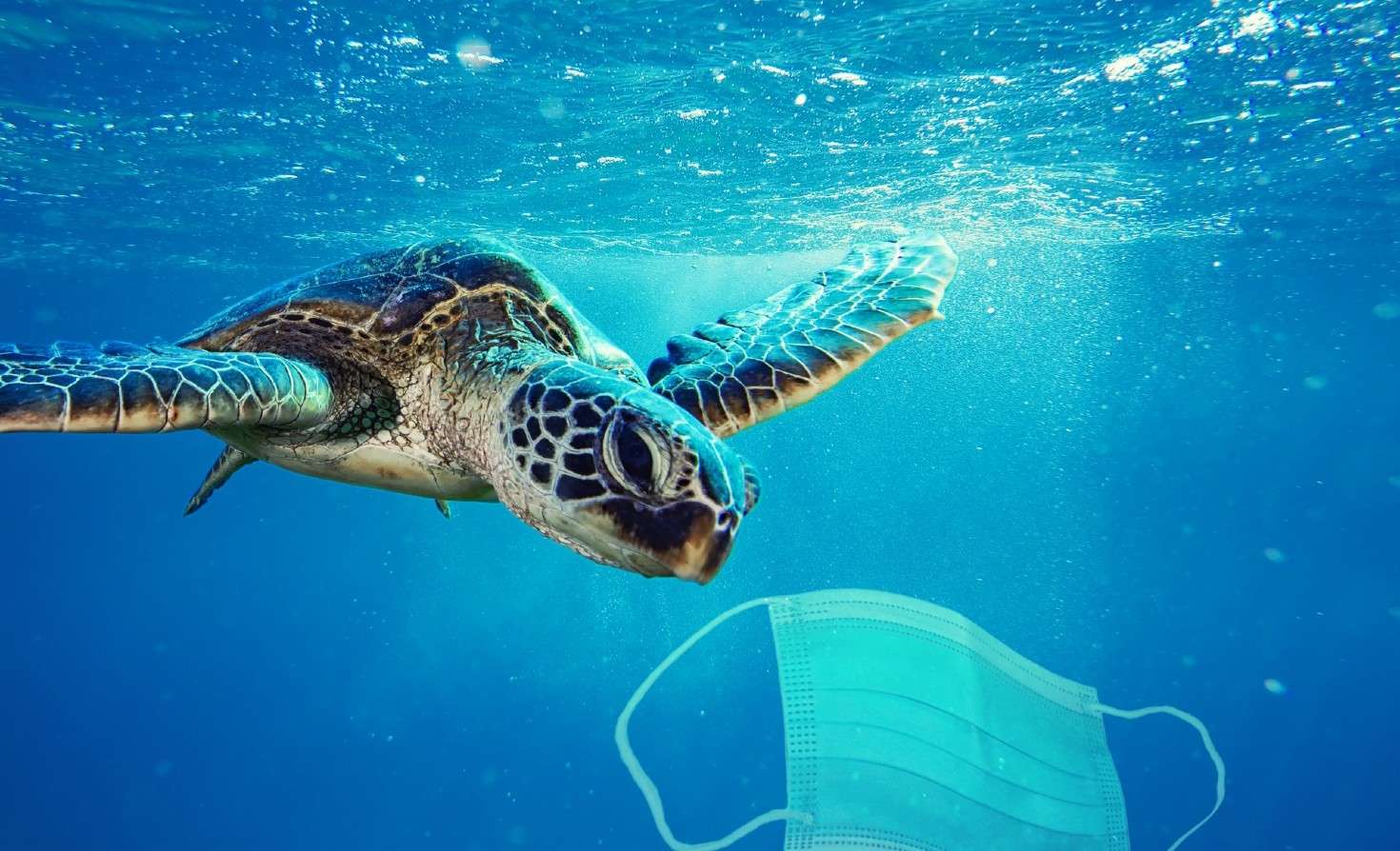
COVID-19 has led to huge rise in single use masks and gloves being used around the world, eventually ending up in landfill, in our oceans, on the streets and among wildlife.
Face masks and gloves, the new breed of plastic pollution.
Gloves, wipes and masks are all plastic. For instance, masks are made using plastics like Polypropylene, they are not biodegradable and can pose a severe threat to our ecosystems. When that is discarded in to the environment, it goes into sewer systems or water bodies.
Further, it breaks down into micro-plastic, which still attracts pesticides and other harmful chemicals. So when the marine animals eat it, they don’t just get the plastic, they get the chemicals too.
Poisoned by plastic
It is well known through studies that when plastic is left in the water long enough, algae and bacteria grow on it which eventually smells like food to the Turtles.
Similarly, the bright colors of latex gloves are often mistaken for food by seabirds, turtles and other marine animals, posing serious danger to their lives.
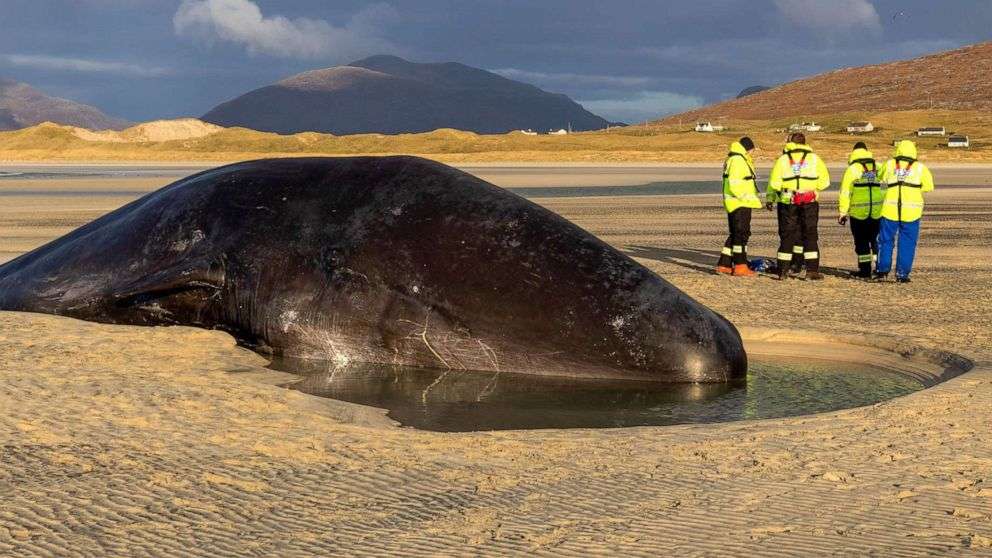
- For instance, in December 2019, a dead sperm whale was found on a beach in Scotland; it had 220 lbs of debris in its stomach, including plastic gloves, bags etc.
Instances of blooming plastic waste
Greece, France and more
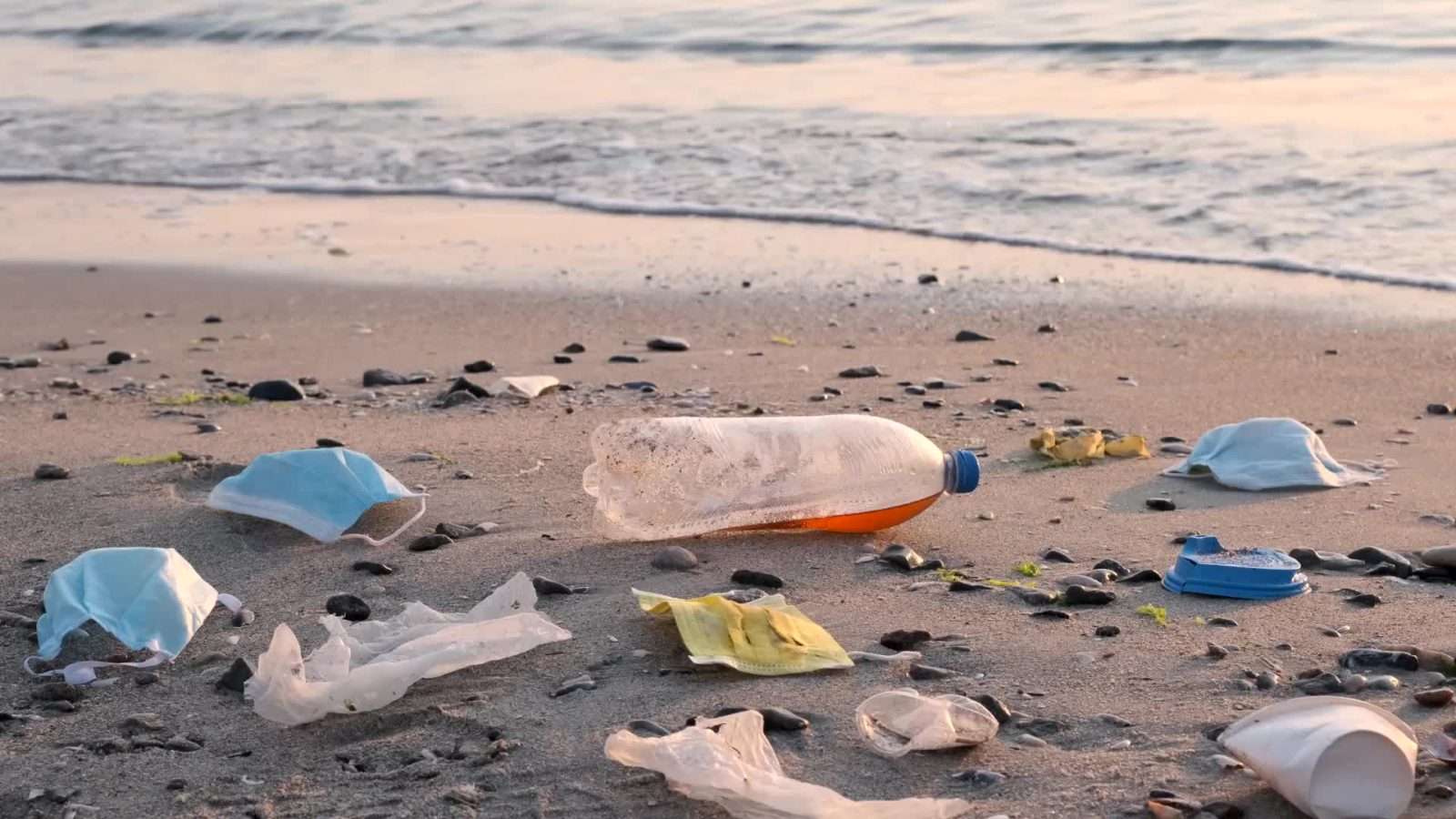
- The problem has hit even Kalamata, a small Greek city and uninhabited Soko Islands. A few nautical miles from Hong Kong, Gary Stokes from the conservation group Oceans Asia found some 100 masks washed up over the course of three visits to the beach.
- In France alone, authorities have ordered two billion disposable masks, said Laurent Lombard of Opération Mer Propre. “Knowing that … soon we’ll run the risk of having more masks than jellyfish in the Mediterranean,” he wrote on social media alongside video of a dive showing algae-entangled masks and soiled gloves in the sea near Antibes.
Duty Calls
Proper waste management is part of the essential services to our society. The problem is so severe that many state’s and country’s health departments have issued advisories against throwing masks and gloves on the streets, parking lots or anywhere outside for that matter.
What are the sustainable choices in this pandemic?
Eco friendly masks and more
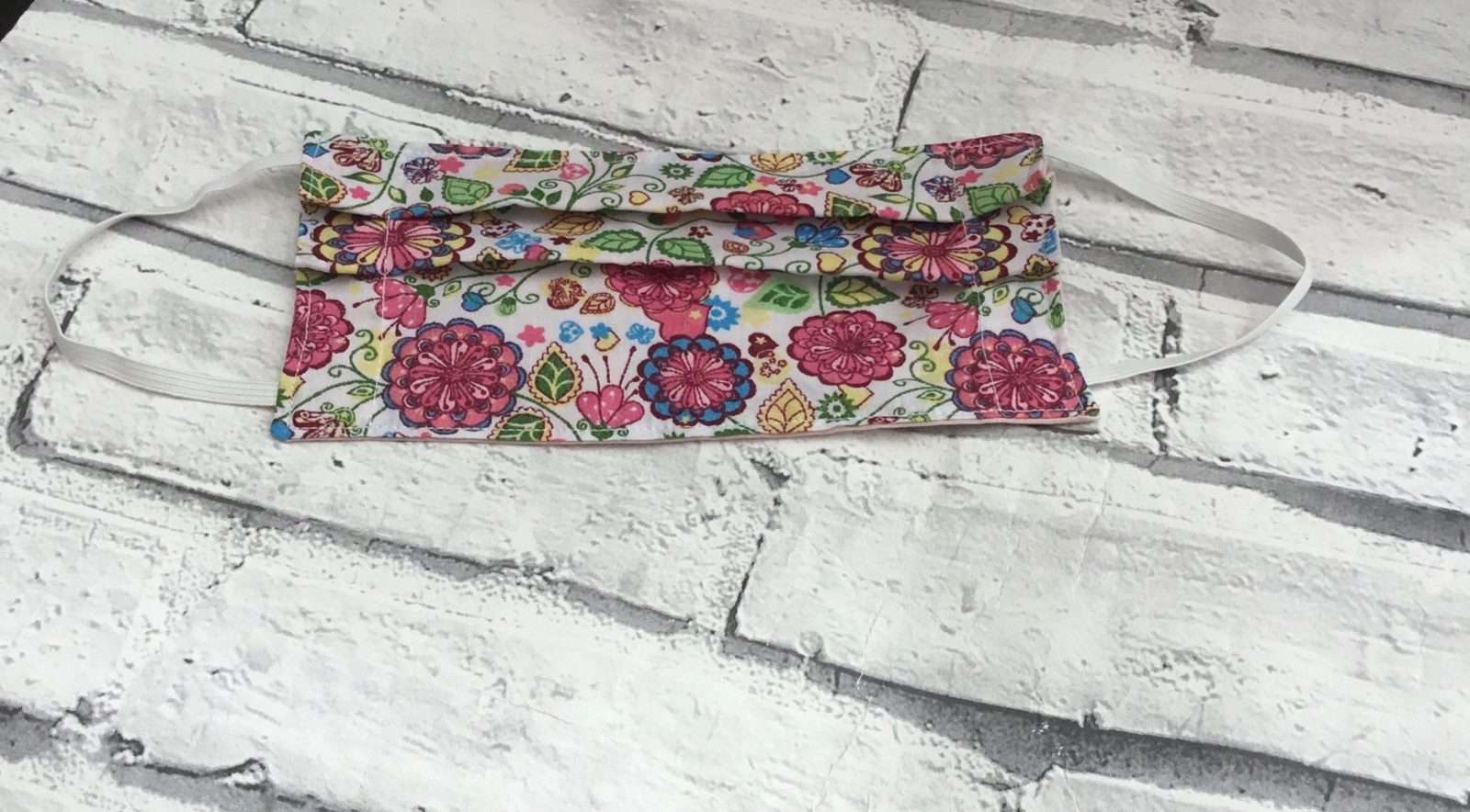
- Masks are supposed to be discarded frequently. But with current shortages many people are making their own masks with cotton / wearing the same mask for long periods of time.
- Also, there are some Eco friendly options in the market, with conscious brands making cloth masks with leftover materials. Further, cloth masks can be properly washed, disinfected, dried and reused.
- Surgical masks can be reused for 3 days, if intact and not torn. Also, the condition being, if worn by a non- infected person.
- Many designers have even created a DIY Guide so that people can make their own mask using whatever fabric they have at home. This way people can put to use their skills, get crafty and have fun at the same time.
- In addition, scientists are also looking at more Eco-friendly alternatives to medical masks currently available in the market. For instance, Columbia is on it, working to make biodegradable mask entirely out of wood. Also, bio-plastics, can be another potential alternative that are made from natural materials But in order to be at par with the surgical masks, this area would need a lot of investment.
- Avoid using gloves and masks as per the recommendation by WHO, If you are not sick or not caring for someone who is sick.
How has the pandemic affected countries’ campaigns and commitments?
Bans on hold
A number of restrictions have been paused or rolled back on single-use plastics, as authorities scramble to fight the crisis.
India
In India, the prime minister, Mr. Narendra Modi, had started a people’s movement. It was to curb and ensure proper disposal of all plastic waste. He was seen collecting plastic waste on the Mamallapuram beach in Tamil Nadu himself, encouraging people from all walks of life to do the same. But today, the national as well as the global momentum has come to a standstill.
Thailand
Thailand had plans to slash plastic waste completely by 2020. But, unfortunately, a 30% rise is expected in their use of plastic wastes.
UK
In the UK, a much heralded charge on plastic bags has been suspended.
USA
States such as Maine in the US has lifted ban on such items. In addition, retailers including Starbucks have banned reusable products to protect against the spread of COVID-19
Conclusion
This is the beginning of a new type of pollution. It was found out that masks and gloves were a relatively new find in the sea bed amongst all kinds of human waste. We better watch out.
We can all do our part by using cloth masks instead of disposable ones and avoid single use plastic wherever possible. Plus, we need new business models designed for sustainability. In future, we need to make sure we are ready for pandemics like these. Also, we should be capable to deal with them in an environment friendly way; and not at the expense of the other.
Need for a holistic approach
Protect the oceans