

Labour Day is more than just a public holiday. It is a day that reminds us of the value of hard work and the rights of people who build our society every day. Celebrated on 1st May in many countries, this day honors workers and their contribution to economic and social growth.
The Origin of Workers’ Day
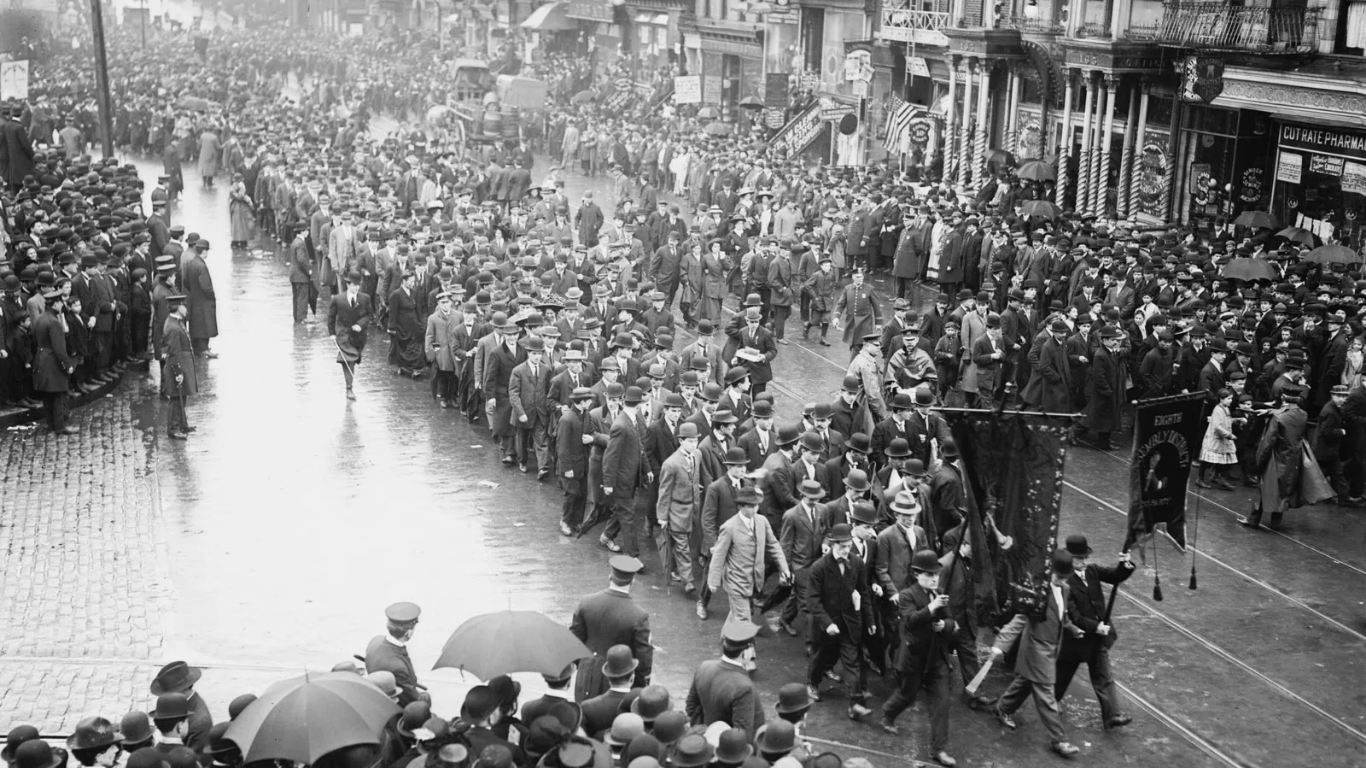
The story of this global celebration goes back to the late 19th century during the Industrial Revolution. At that time, workers had to work for long hours, often 10 to 16 hours a day, in unsafe conditions. There were no clear laws for safety, wages, or working hours.
In 1886, workers in the United States began a major protest demanding an 8-hour workday. On May 1, thousands of people went on strike. The protest turned serious in Chicago during the Haymarket Affair, which later became a symbol of workers’ rights movements.
How Labour Day Became a Global Movement
Over time, this day spread across countries. In 1889, May 1st was officially declared as a day to honor workers. Today, more than 80 countries observe it.
In India, it is also known as International Workers’ Day. Governments and organizations now use this day to recognize workers and promote fair treatment.
Why This Day Matters

We celebrate this day to appreciate the efforts of workers in every field. From construction workers to corporate employees, everyone plays a role in shaping society.
At the same time, it reminds us of past struggles that helped secure basic rights like fair wages, safe workplaces, and fixed working hours.
Labour Day Purpose Behind the Celebration
The main goal is to promote dignity of labour and ensure respect for every worker. It also highlights important issues like job security, equal pay, and safe working conditions.
Even today, many workers face challenges. That is why this day continues to stay relevant in modern times.
A Reminder for Today
This occasion is not only about celebration but also about awareness. It encourages society to value every worker equally and support fair opportunities for all.