
Most people are familiar with the UFC’s Mixed Martial Arts fights. Once the two fighters meet in the octagon it is a fierce brutal struggle. Both use every ounce of muscle and training they have to win. They also have the opportunity to display the various martial arts they’ve trained in. And how they can apply them against opponents who may be using something different.
For example, you might see someone who favors Judo face off against a person who prefers to use Krav Maga. The one equalizer between the opponents has become the weight class. Where various competitors are sorted into their fights based on their physical weight. Though not originally heavily ritualized, it has become a place where players begin the traditional pregame mockery.
Origins of the Weigh in
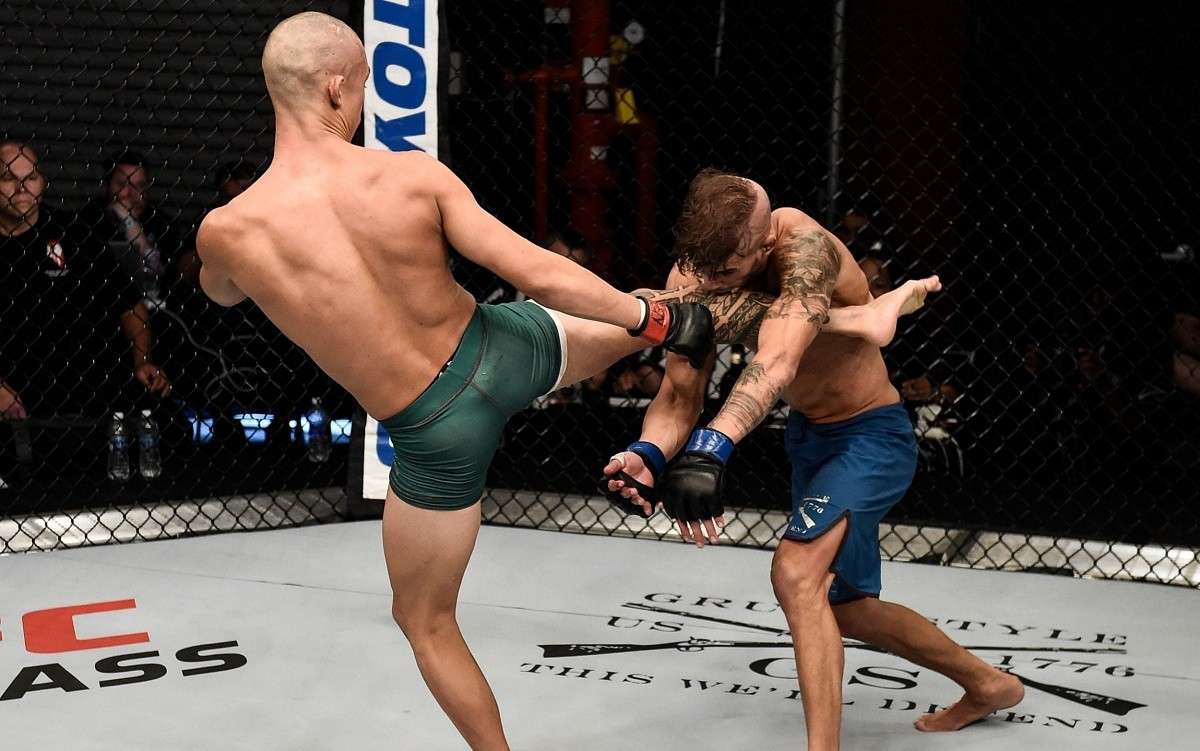
When the Ultimate Fighting Championship company began promoting mixed martial arts fights in 1993 there were no weight classes. Fighters were pitted against each other based on the whim of the promoter as much as anything else. In 1997 a limited weight class was introduced consisting of heavy weight (above 200 pounds) and light weight (below 200 pounds).
The primary reason for these loose rules was the fact that there was no governing body overseeing the fights. It was not until 2000 that the sports commission of California began devising a set of rules. Including the weight class system for Mixed Martial Arts. They were not able to introduce the system until 2005. However, once they did it. It quickly spread to all the states of the United States of America that recognize Mixed Martial Arts as a sport. Thus, were the Unified Rules of Mixed Martial Arts created.
In the 15 years since the rules have evolved especially in the recognition of weight classes. Originally there were nine weight class for the URMMA, since their inception five new ones have been at for a grand total of 14 weight divisions. Each weight division has a specific weight above which a competitor can no longer compete in that division. The divisions range from straw weight with a weight limit of 115 pounds. To super heavyweight which has no weight limit but includes individuals way above 265 pounds.
Occasionally promoters of specific events will introduce the unofficial Atom weigh with the weight limit of 105 pounds. Though the weight classes are not specific to any one gender, the lighter weight divisions are usually filled by female’s while the heavier weights by men.
What does it mean competitors?
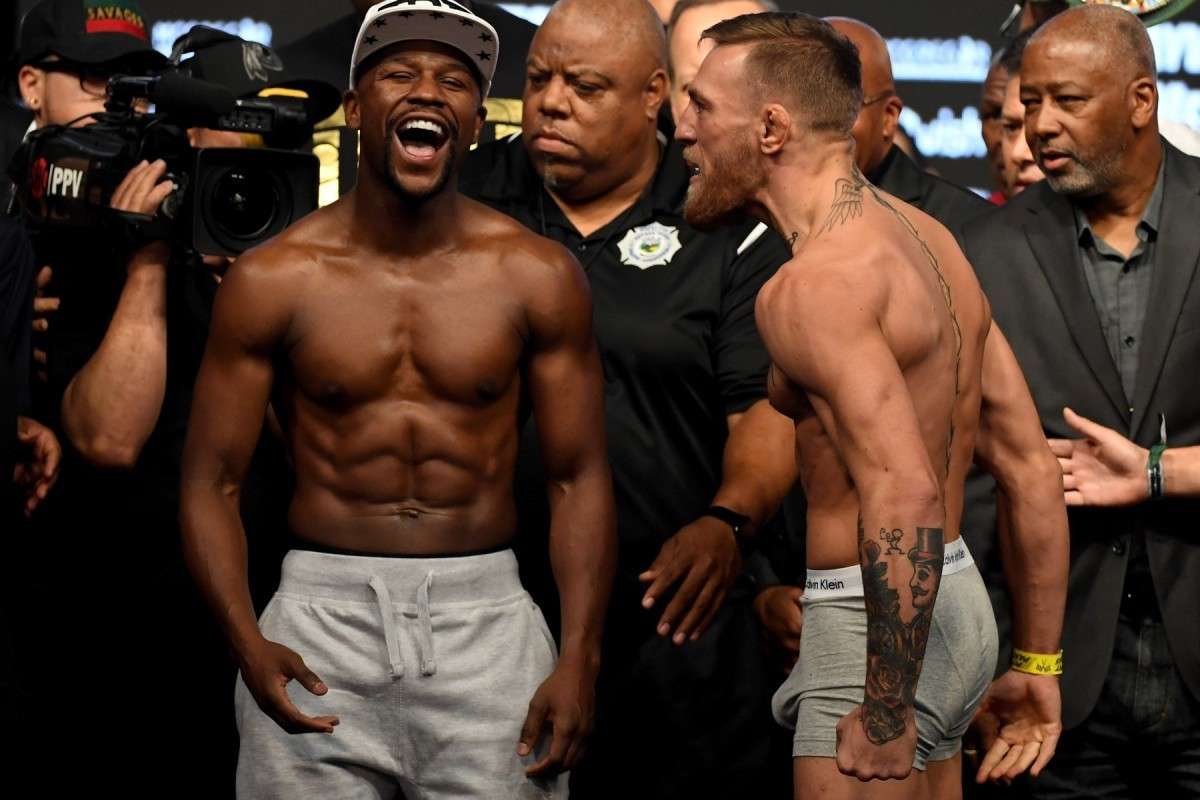
Weigh-in has several meanings for the fighters. The most important one is confirming which weight class they will be a part of for the event. It is a very important factor to consider for fighter. They have spent most of their time training to fight against other competitors who weigh at most 9 pounds more or less than they do. The difference of so much as a quarter pound could mean facing off against opponents from higher weight class at the very least. This is what happened to Karl Roberson at the weigh-in for the May 13, 2000 Wednesday fight. Where he weighed in 1 ½ pounds above the middleweights’ division limit.
Another important factor of the weigh in for the participants is the chance to size up their opponents. A chance before the fight to see what physical condition the other fighters are in. To see if a potential opponent in good shape or struggling previous injury, such as a strained joint or weakened muscle. Identifying these potential weaknesses could allow a fighter to gain a decisive advantage in the octagon.
Perhaps the most ritualistic part of the weigh-in and also entertaining audiences is the traditional taunting or smack talk. Competitors take the opportunity to insult each other in various ways and for various reasons. Sometimes it’s just too entertained the crowds or to reignite an old rivalry with a particular opponent. Sometimes it is an attempt at psychological warfare to either damage a potential opponent’s confidence. Or to get them so worked up they make a mistake during the fight. Whatever the reason is it’s not a surprise after all pretty much synonymous any fight since the dawn of human history. Just in the modern-day it’s usually more about entertainment the crowds.
Spreading around the world
As MMA fighting has become more popular URMMA has begun to spread beyond the United States. Originally when events were scheduled outside the United States in countries where there was no oversight it was considered a throwback to the origins of the sport. That is to say little regard was placed on weights differential between the by. That has slowly begun to change as events become larger and more importance placed on fair match. Promoters have voluntarily using if not the actual URMMA the rules that are derived from them. Though it’s hard to believe possible that one day the sport will be recognized by using the URMMA rules. And the ritual of the weigh-in might become part of the Olympic form of the support.